
https://en.wikipedia.org/wiki/Klotski
Like other sliding-block puzzles, several different-sized block pieces are placed inside a box, which is normally 4×5 in size. Among the blocks, there is a special one (usually the largest) which must be moved to a special area designated by the game board. The player is not allowed to remove blocks, and may only slide blocks horizontally and vertically.
It is still unknown which version of the puzzle is the original. There are many confusing and conflicting claims, and several countries claim to be the ultimate origin of this game. One game—lacking the 5 × 4 design of Pennant, Klotski, and Chinese models but a likely inspiration—is the 19th century 15-puzzle, where fifteen wooden squares had to be rearranged. It is suggested that unless a 19th-century Asian evidence is found, the most reasonably likely path of transmission is from the late 19th century square designs to the early 20th century rectangular, such as Pennant, thence to Klotski and Huarong Road.
Frank E. Moss filed U.S. patent 668,386 in 1900 for a sliding puzzle of six squares and four rectangles, which is one of the first known occurrences of sliding puzzle with non-equal blocks.
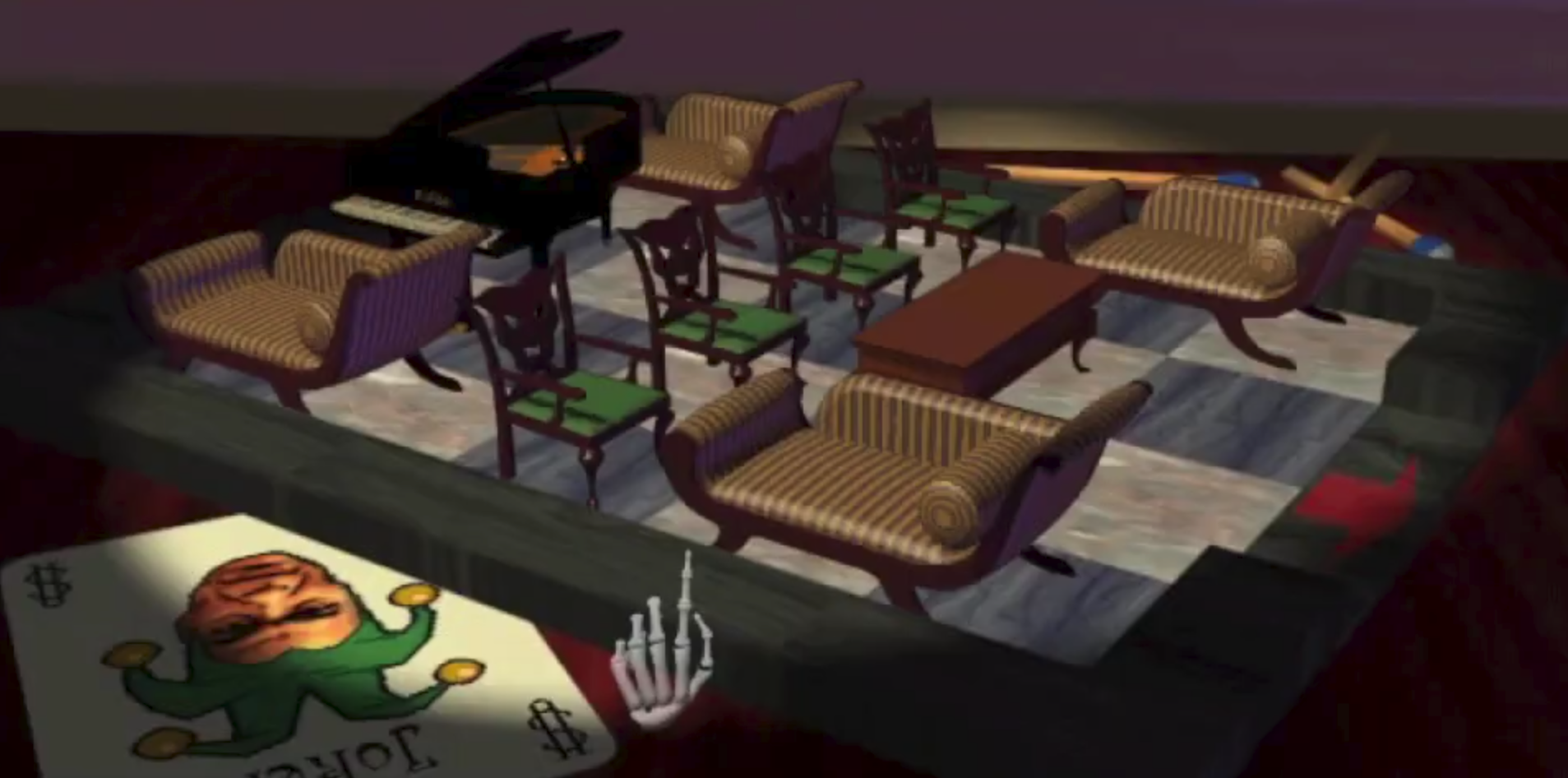
It seems like there were puzzles extremely similar to what ended up in The 11th Hour independently created in England 1934, and in China 1938.
https://chinesepuzzles.org/huarong-pass-sliding-block-puzzle/
I don’t actually see an identical layout to what The 11th Hour uses.
Darkshoxx wrote a good, quick to read guide, for speedrunning purposes: https://www.speedrun.com/t11h/guides/281q3